Scaling with a BM-ball Understanding the Risks

Scaling with a BM-ball: Understanding the Risks
Scaling businesses or operations can often lead to remarkable growth and success, but it can also be fraught with challenges and risks. One method that has garnered attention for its potential is scaling with a Bouncy Mass (BM) ball. In this article, we will delve into the various risks that come with this unique approach, while also considering the methodologies involved in navigating these challenges.
What is Scaling with a BM-ball?
The concept of scaling with a BM-ball involves leveraging a flexible, adaptive methodology that can expand and contract akin to a bouncy ball. This approach is particularly appealing in fast-paced environments where organizations need to remain agile and responsive to changing market conditions. Unlike traditional scaling methods that may involve rigid frameworks, the BM-ball approach encourages a more fluid and dynamic strategy.
Identifying the Risks
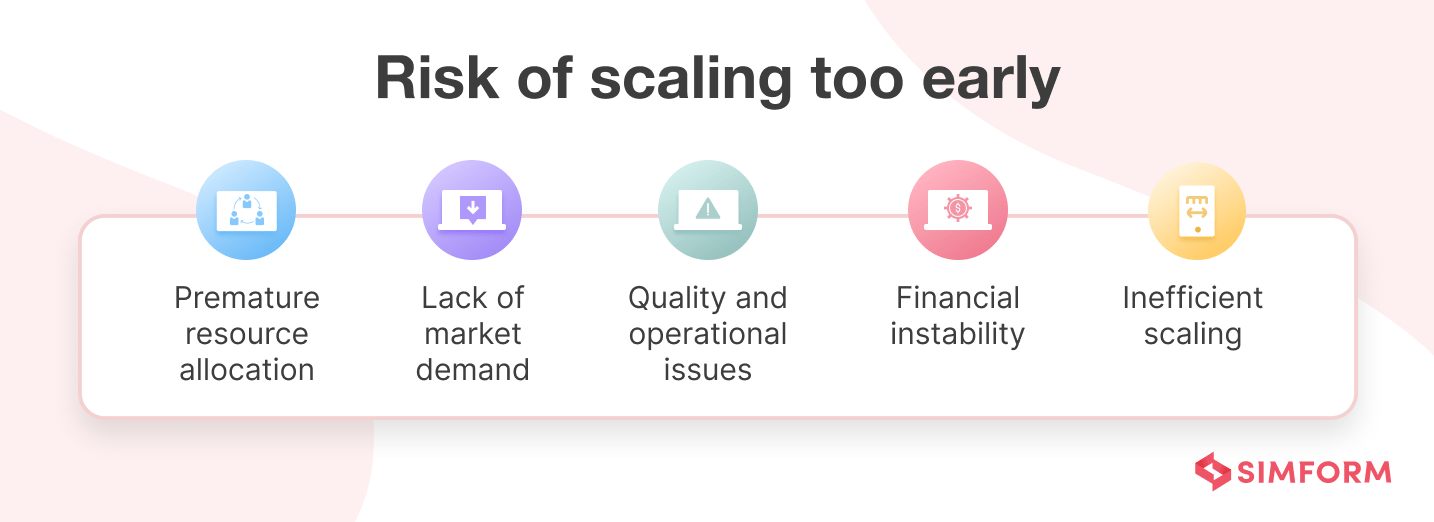
While the BM-ball approach offers exciting possibilities, it is crucial to recognize the inherent risks that come along with it. Let’s break down some of the primary risks associated with this scaling model:
1. Overexpansion
One of the more significant risks of the BM-ball approach is overexpansion. The fluid nature of this methodology can sometimes lead businesses to grow too quickly, without adequately preparing for the demands that come with such growth. This can result in operational strains, decreased product quality, and customer dissatisfaction.
2. Resource Misallocation
For organizations employing the BM-ball method, there is a tendency to misallocate resources. When scaling occurs rapidly, businesses may divert funds and workforce from critical areas, resulting in a lack of support for essential operations. This misallocation can further exacerbate existing issues and lead to inefficiencies.
3. Loss of Company Culture
As companies grow and scale quickly, the original company culture may start to erode. This is particularly concerning in environments where employee engagement and morale are crucial to success. If staff members feel disconnected from the organization’s mission, it can lead to decreased productivity and higher turnover rates.
4. Dependence on Technology
In many cases, the BM-ball approach relies heavily on technology to facilitate growth. While technology can provide valuable tools for scaling, a heavy dependence can create vulnerabilities. If critical systems fail or become outdated, organizations may find themselves struggling to maintain operations.
5. Market Fluctuations
The BM-ball methodology’s inherent flexibility can make it easier for businesses to pivot in response to market fluctuations. However, this same flexibility can also expose organizations to greater risks. For instance, if a company is not adequately prepared for a downturn, its swift scaling can lead to abrupt failures.
Strategies for Mitigating Risks
Recognizing these risks is just the first step; it is essential to implement strategies that can help mitigate them. Here are some best practices when scaling with a BM-ball approach:
1. Careful Planning and Measurement
Engaging in meticulous planning and regular measurement is pivotal in maintaining control during growth. By establishing clear metrics and benchmarks, organizations can monitor progress and adjust strategies accordingly to ensure that they are not growing too fast or diverting resources too heavily.
2. Strengthening Company Culture
As companies scale, deliberately fostering and preserving company culture becomes vital. Leadership should prioritize open communication, employee recognition, and team-building activities to maintain morale and alignment with organizational goals.
3. Embracing Adaptability
Flexibility is a double-edged sword; embracing adaptability while also having contingency plans can help mitigate potential pitfalls. Organizations should be prepared to change direction if necessary while maintaining core values and goals. This balance is key to leveraging the benefits of the BM-ball method without succumbing to its risks.

4. Investing in Technology Wisely
While technology is a crucial component of the BM-ball approach, organizations need to make wise investments. Periodically updating technology, providing training for employees, and having backup systems can contribute to greater resilience against system failures.
5. Continuous Learning and Development
Encouraging a culture of continuous learning can help organizations anticipate mark
et changes better and respond to them effectively. By investing in development programs for employees, companies can cultivate a workforce that is not only resilient but also innovative in tackling challenges.
Conclusion
Scaling with a BM-ball can be a promising approach for organizations seeking rapid growth, but it is essential to remain vigilant about the risks involved. By recognizing and addressing potential pitfalls through careful strategies and methodologies, businesses can harness the benefits of this dynamic approach while minimizing the dangers it presents. Achieving a balance between flexibility and structure will ultimately contribute to sustainable growth and success.
For more information on scaling with a BM-ball and the associated risks, you can visit this source: Scaling with a BM-ball: risks and benefits https://crazyfb.shop/en/page/masshtabirovanie-s-bm-sharoy-riski-i-preimuschestva