Understanding Nauru Citizenship Guidelines and Insights
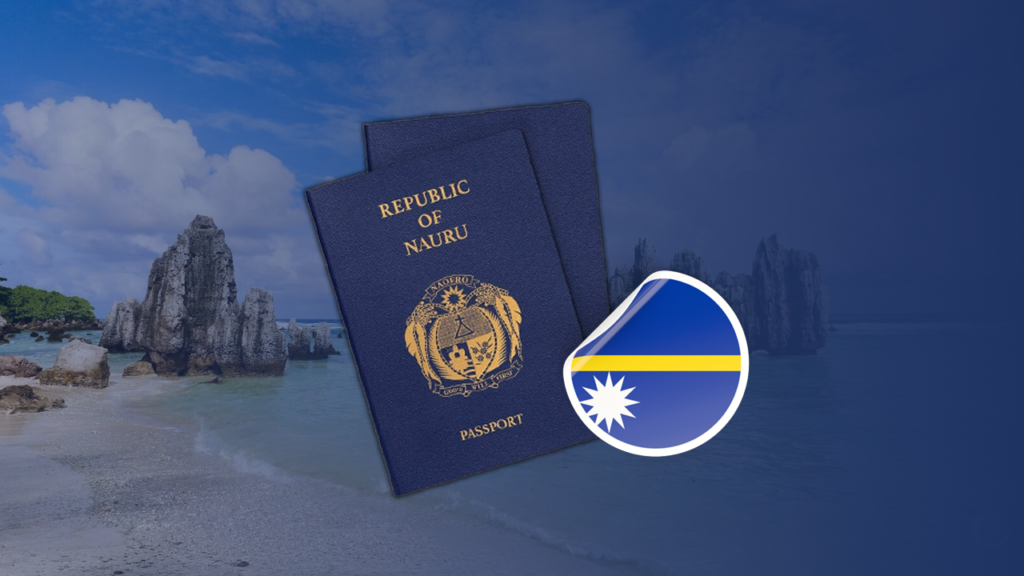
Understanding Nauru Citizenship
Nauru, a small island nation in the Pacific Ocean, is known not only for its unique geography and culture but also for its citizenship policies. Obtaining Nauru citizenship can be a complex process, characterized by specific legal requirements and conditions. If you’re considering this path, it’s essential to understand the various aspects involved. More information can be found at Nauru Citizenship https://www.naurucitizenship.net/.
A Brief Overview of Nauru
Nauru, the third smallest country in the world by area, is rich in phosphate deposits that once provided a significant income for its citizens. Despite its economic challenges, Nauru remains a country with a unique cultural identity and a welcoming community. The government of Nauru has developed laws regarding immigration and citizenship that reflect the island’s desire to maintain its cultural heritage while also integrating individuals who wish to make Nauru their home.
Types of Citizenship in Nauru
Nauru recognizes several pathways to citizenship, primarily revolving around birth, descent, and naturalization. Each category has distinct requirements and implications.
Citizenship by Birth
Anyone born on Nauru or out of Nauru to a parent who is a Nauruan citizen is entitled to Nauruan citizenship. This principle of jus soli (right of the soil) and jus sanguinis (right of blood) ensures that citizenship is inherently linked to familial and geographical ties.
Citizenship by Descent
Children born to Nauruan citizens outside the country can also apply for citizenship, which highlights the importance of lineage in Nauruan nationality law. This aspect ensures that Nauruan citizens can pass on their nationality to subsequent generations, even if they are not born on the island.
Naturalization
Naturalization is the process through which a foreign national can become a citizen of Nauru. This typically involves several conditions, including residency requirements, language proficiency, and a good character assessment. Applicants usually must reside in Nauru for a minimum specified period, contribute positively to the community, and integrate into the cultural landscape of the country.
The Naturalization Process
The process of applying for Nauru citizenship through naturalization can be straightforward, but it requires careful attention to detail and adherence to the laws set by the Nauruan government. Here is an overview of the general steps involved:
- Application Submission: Prospective citizens must fill out an application form, providing necessary information about themselves and their background.
- Documentation: Supporting documents (such as passports, proof of residence, and character references) must be submitted alongside the application.
- Interview: Applicants may be required to attend an interview, where they must demonstrate their understanding of Nauruan culture and values.
- Background Checks: The government will conduct background checks to ensure that the applicant has no criminal history and meets character standards.
- Approval: If all requirements are met and the application is approved, the individual will be granted Nauruan citizenship.
Requirements for Naturalization
To be eligible for naturalization, applicants must meet specific criteria set forth by the government:
- Applicants must be at least 18 years old.
- They must have resided in Nauru for an established duration (typically ranging from five to ten years).
- Proficiency in Nauruan or English may be required to demonstrate integration into society.
- Good character references are essential to validate the applicant’s reputation within the community.
Rights and Responsibilities of Nauruan Citizens
Citizenship in Nauru comes with both rights and responsibilities. Nauruan citizens are entitled to:
- The right to vote in elections and participate in the democratic process.
- Access to public services, education, and healthcare provided by the government.
- Protection under Nauruan law and the ability to travel freely in and out of the country.
However, with these rights also come responsibilities, including:
- Obeying Nauruan laws and regulations.
- Participating in civic duties, such as voting and contributing to community well-being.
- Respecting the cultural heritage and social norms of Nauru.
The Advantages of Nauru Citizenship
Obtaining citizenship in Nauru can open doors to various opportunities, both personally and professionally. Some of the benefits include:
- Enhanced quality of life in a serene and picturesque environment.
- Access to unique cultural experiences and a tight-knit community.
- Potential for economic opportunities in tourism, fishing, and other industries linked to the island’s resources.
Challenges and Considerations
While Nauru offers various benefits to its citizens, there are also challenges to be aware of:
- The island’s limited resources can lead to economic hardships.
- The remoteness of Nauru may pose logistical challenges regarding travel and access to goods.
- Cultural integration and adaptation may be necessary for foreign nationals.
Conclusion
Nauru citizenship provides both a unique opportunity and a significant responsibility. Understanding the pathways to citizenship, the rights afforded to citizens, and the implications of living in such a small, remote nation is crucial for potential applicants. Those who wish to pursue this path should carefully review all aspects of Nauru’s citizenship laws and consider seeking legal advice or assistance to navigate the application process successfully.