The historical journey of casinos From ancient games to modern gaming empires
The historical journey of casinos From ancient games to modern gaming empires
The Origins of Gaming: Ancient Civilizations
The history of casinos can be traced back to ancient civilizations, where gaming was not only a pastime but also an integral part of cultural rituals. Evidence of dice games can be found in Mesopotamia, dating back to around 3000 BC. These early games were often played with rudimentary dice made from materials like bone or wood, reflecting a simple yet profound desire for entertainment and chance. As societies evolved, so did the complexity of the games, leading to the emergence of more structured forms of gambling. Interestingly, online platforms such as https://1xbet-1-xbet-egypt.com/ have made it easier for users to engage in these activities, showcasing how far gaming has come.
In ancient China, games of chance were prevalent, with references to activities similar to modern-day lottery systems. The Chinese played various forms of betting games, many of which involved drawing lots, thereby setting the groundwork for future gambling establishments. Similarly, ancient Romans indulged in numerous games, with some even betting on gladiatorial contests, showcasing how gambling intertwined with social activities in these ancient cultures.
The establishment of these early gaming forms laid the foundation for what would eventually evolve into modern casinos. As trade routes expanded and civilizations interacted, gaming concepts began to spread and diversify, leading to a rich tapestry of gambling practices that would influence future generations. This early history highlights the universal appeal of games of chance, making them a staple across cultures and societies.
The Rise of Formal Gambling Houses
The transition from informal gambling to more structured environments began in the 17th century in Europe. The establishment of dedicated gambling houses, or casinos, marked a significant evolution in the gambling landscape. The first recognized casino, the Casino di Venezia, opened its doors in Italy in 1638, setting a precedent for future establishments. These venues offered a range of games, from card games to dice, attracting patrons from various social strata and becoming popular social gathering spots.
The concept of the casino quickly spread throughout Europe, with notable establishments opening in France and England. The French Revolution brought changes to social structures, and with it, gambling became a symbol of wealth and prestige. Paris saw the emergence of lavish casinos that catered to the elite, where not just games but an entire experience of luxury and opulence was offered. This development represented a shift towards a more sophisticated gambling culture.
As gambling houses flourished, so did the rules and regulations governing them. Governments began to take notice of the revenue potential from taxes on gambling, leading to the legitimization of these establishments. This era established the casino as a cultural icon, linking the allure of risk and reward with social status, and marking a pivotal moment in the historical journey of casinos.
Casinos in the Age of Modernization
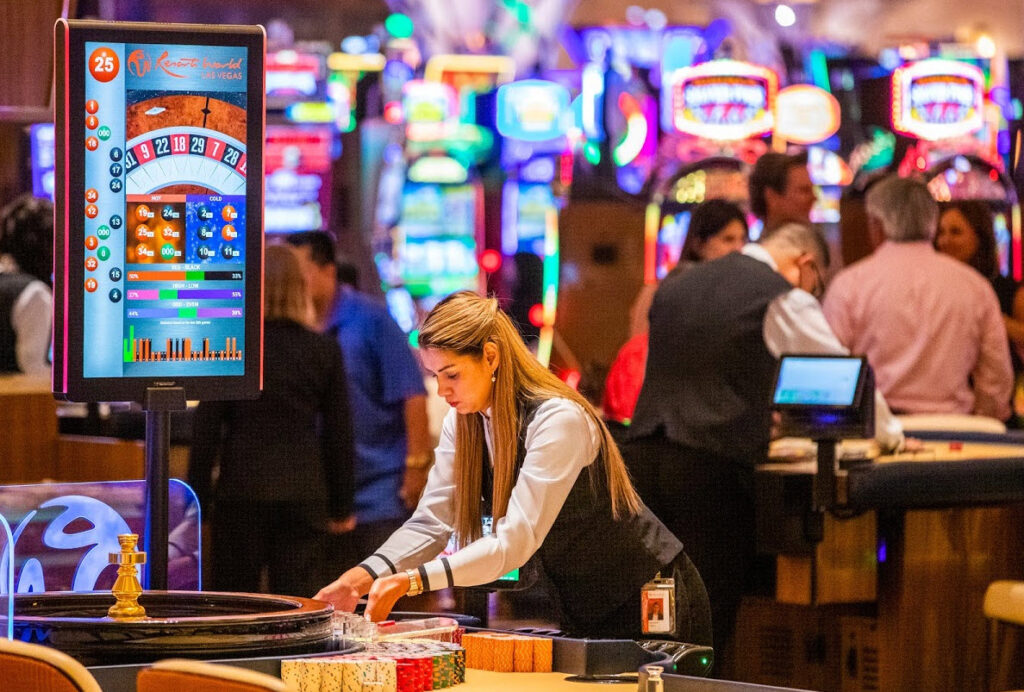
The 20th century heralded significant changes for casinos, particularly with the advent of technology and the end of prohibition in the United States. In 1931, Nevada legalized gambling, leading to the birth of Las Vegas as a gambling mecca. The city’s transformation was extraordinary, with glamorous resorts and casinos being built, featuring extravagant shows and attractions that catered to the masses. This evolution made gambling accessible to a broader audience, moving beyond the elite.
During this period, the gaming industry witnessed an explosion of creativity and innovation. Casinos began to incorporate advanced technologies, including slot machines and electronic gaming systems, which offered new ways to engage patrons. This technological advancement not only diversified the gaming options available but also enhanced the overall experience, making it more interactive and appealing to a younger generation of gamblers.
As casinos grew in size and influence, they also became major contributors to the economy, creating jobs and generating significant tax revenues. The branding of casinos, through flashy advertisements and entertainment options, became crucial in attracting visitors, leading to a culture of mega-resorts that combined gaming with hospitality and leisure activities. The modern casino thus emerged not just as a place to gamble but as a multifaceted entertainment destination.
The Digital Revolution and Online Gaming
The turn of the millennium brought about another transformative phase for the casino industry with the rise of online gaming. The advent of the internet allowed for the development of virtual casinos, where players could engage in their favorite games from the comfort of their homes. The first online casino was launched in 1994, paving the way for a new era in gambling that promised convenience and accessibility. Players were no longer confined to physical locations, dramatically changing the gaming landscape.
Online casinos quickly gained popularity due to their vast game selections, enticing bonuses, and the ability to play anytime and anywhere. This shift not only catered to seasoned gamblers but also attracted a new demographic of players who preferred the anonymity and ease of digital gaming. Innovations such as live dealer games have further bridged the gap between online and traditional casinos, offering an authentic experience that mimics the thrill of being in a physical venue.
However, this digital expansion also posed challenges, including concerns regarding regulation and player safety. Governments around the world have grappled with the implications of online gambling, leading to varying degrees of acceptance and legal frameworks. As online casinos continue to evolve, they remain a pivotal part of the gaming industry, pushing the boundaries of what is possible in entertainment and gambling.

Modern Gaming Empires: The Future of Casinos
The landscape of casinos continues to evolve, driven by innovations in technology and shifting consumer preferences. Modern gaming empires are characterized by their global reach, offering a diverse range of games that cater to varied tastes and interests. Major casino operators have expanded their portfolios to include a mix of physical resorts and online platforms, creating a comprehensive gaming ecosystem that appeals to both traditional and digital players.
Furthermore, the integration of advanced technologies such as virtual reality and augmented reality is reshaping the way players experience gambling. These innovations promise to create immersive environments that enhance the thrill of gaming, transforming it into a more engaging and interactive experience. Casinos are now looking to leverage data analytics to better understand player behavior and tailor offerings to meet the evolving demands of their clientele.
As the industry moves forward, regulatory frameworks are likely to adapt to ensure fair play while fostering innovation. The balance between responsible gaming and profitability will continue to be a crucial factor in shaping the future of casinos. The journey from ancient games to modern gaming empires illustrates the dynamic nature of gambling, reflecting societal changes and technological advancements that keep reshaping the industry.