The psychology behind why we gamble unraveling the hidden motivations
The psychology behind why we gamble unraveling the hidden motivations
The Thrill of Uncertainty
The essence of gambling lies in the thrill of uncertainty, where anticipation and excitement intertwine. This psychological phenomenon captivates individuals as they engage in games of chance, offering a temporary escape from reality. The rush of adrenaline when placing a bet or spinning a slot machine creates a unique emotional high, often prompting players to seek out this exhilarating experience repeatedly. This attraction to unpredictability resonates deeply within the human psyche, offering not just entertainment but a way to navigate life’s uncertainties. For instance, many players flock to elon casino for a chance to experience these thrills firsthand.

Moreover, the unpredictable nature of gambling serves as a compelling metaphor for life itself. People often gravitate toward gambling as a means of confronting their desires for control and certainty in an inherently unpredictable world. The allure of potentially winning large sums of money amplifies this desire, drawing individuals back to the tables and machines time and again. The psychological thrill that accompanies each game reinforces the idea that risk-taking can lead to reward, thus fostering a compelling cycle of behavior.
As players place bets, they often enter a state of cognitive dissonance. On one hand, there’s the awareness of potential loss; on the other, the hope of winning. This tension can create a potent cocktail of emotions, leading some to gamble more. They may believe that each round brings them closer to a win, a classic example of the gambler’s fallacy. This psychological bias reinforces their belief in luck, further entrenching their gambling behavior as they seek to validate their choices through repetitive action.
The Social Aspect of Gambling
The social dimension of gambling cannot be overlooked, as many individuals find joy and camaraderie in shared experiences. Casinos and gaming venues often serve as social hubs where friendships are formed over games, creating a sense of belonging. This social interaction amplifies the enjoyment derived from gambling, as players celebrate wins and commiserate over losses together. The shared thrill of a near win or a jackpot creates bonds that extend beyond the gaming table.
Additionally, peer influence plays a significant role in gambling behavior. Observing friends or family members experiencing success can incite a desire to join in, prompting individuals to partake in gaming activities that they might not have considered otherwise. The social approval received from engaging in gambling can serve as a motivational factor, reinforcing the idea that this activity is not just acceptable but encouraged within certain circles. This collective participation can lead to habitual gambling patterns among groups.
The psychological need for social validation often drives individuals to gamble, blurring the lines between entertainment and compulsive behavior. As players gather, the atmosphere becomes charged with excitement, amplifying their willingness to take risks. This social reinforcement, combined with the thrill of gaming, can lead to an escalation of gambling activities, trapping players in a cycle where social connections and gaming become inextricably linked.
The Role of Cognitive Biases
Cognitive biases significantly influence gambling behaviors, often leading individuals to overestimate their chances of winning. One prevalent bias is the illusion of control, where gamblers believe they can influence outcomes through skill or strategy, even in games of pure chance. This misconception fuels continued participation, as players are convinced that luck can be manipulated through specific actions or behaviors, leading them to gamble more frequently.
The confirmation bias further complicates the situation, as individuals tend to focus on instances of winning while ignoring losses. This selective memory creates a skewed perception of their gambling success, reinforcing the belief that they can achieve a favorable outcome. Such biases can easily spiral into problematic gambling patterns, where the individual justifies further bets based on past experiences, despite the reality of their overall losses.
Ultimately, these cognitive biases are not merely thought processes but integral elements of the gambling experience. They interact with emotional highs and lows, influencing decisions at every level. As players navigate the psychological landscape of gambling, these biases can lead to an escalation in gambling behaviors, pushing individuals to take greater risks in pursuit of their perceived control over luck and chance.
The Emotional Rollercoaster of Gambling
The emotional journey of gambling is akin to a rollercoaster ride, characterized by highs, lows, and everything in between. The thrill of winning can elicit intense feelings of joy, confidence, and euphoria, often leading individuals to chase that elusive high. However, the flip side also exists, with losses evoking feelings of despair, frustration, and guilt. This emotional dichotomy makes gambling a powerful source of psychological intrigue, attracting individuals who seek both escapism and validation.
Moreover, the highs and lows can create a cycle of emotional dependence, where the thrill of gambling becomes a coping mechanism for stress or anxiety. Individuals might turn to gambling as a way to escape from life’s pressures, finding solace in the unpredictable nature of games. However, this reliance can lead to addictive behaviors, as the emotional rush becomes intertwined with the need to gamble, creating a loop that’s hard to break.
As players become more entrenched in this emotional cycle, they may begin to neglect other aspects of their lives. Relationships, responsibilities, and personal well-being can be sacrificed in the pursuit of that next big win. The emotional stakes of gambling extend beyond the financial aspect, embedding themselves into the players’ lives, influencing their decisions and altering their perceptions of success and failure.
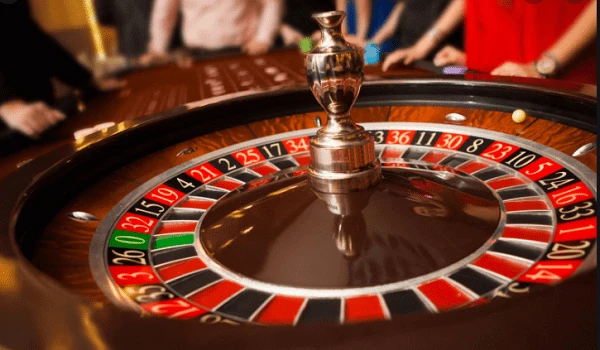
Understanding Gambling in Today’s Digital Landscape
In the modern era, online gambling has transformed the landscape, making it more accessible than ever. Platforms such as Elon Casino cater to a diverse range of players, providing not only a variety of games but also a personalized experience that can amplify the psychological motivations behind gambling. With local currency support and rapid payouts, the convenience of online gambling attracts those seeking both excitement and comfort from their gaming experiences.
The allure of online gambling lies in its ability to foster a unique connection between players and games. With a vast array of options, from slots to live casino games, players can engage in their preferred style of gaming, enhancing their emotional investment. The availability of bonuses and promotions further incentivizes gameplay, creating a compelling environment where individuals feel valued and rewarded for their participation.
Moreover, the digital realm provides anonymity, allowing individuals to engage in gambling without the stigma often associated with traditional casinos. This aspect can encourage riskier behavior, as players may feel less accountable for their actions. As a result, the psychological motivations behind gambling are magnified, with online platforms like Elon Casino becoming not just places to play but environments that facilitate and amplify the complex relationship individuals have with gambling.