Uncovering the historical evolution of gambling practices through the ages
Uncovering the historical evolution of gambling practices through the ages
The Origins of Gambling
The practice of gambling dates back to ancient civilizations, where evidence suggests that various forms of betting have existed for thousands of years. Archaeological findings indicate that early humans engaged in simple games of chance using rudimentary tools like bones and stones, often referred to as knucklebones. These early games served not only as entertainment but also as a means of divination, showcasing humanity’s deep-seated fascination with luck and fate. Today, many online platforms, like thegrift.co.uk, offer further insights into historical gambling practices.

The Chinese, around 2300 BC, are credited with some of the earliest documented gambling activities, including the use of rudimentary lottery games and dice. Gambling also found its way into religious practices, where it was believed that chance could reveal divine will. The expansion of trade routes facilitated the spread of gambling practices across cultures, leading to diverse interpretations and adaptations throughout the ages.
In Ancient Rome, gambling became entrenched in society, with various games played during public events. Gladiatorial contests were often accompanied by bets placed among spectators. The Romans developed more sophisticated gaming devices, including a form of dice made from materials like ivory and wood. This evolution of gambling practices in the Roman Empire laid the groundwork for future gaming systems seen in Europe and beyond.
The Medieval Period and Renaissance Gaming
The Medieval period marked a shift in gambling practices, particularly in Europe, where card games began to gain popularity. Originating in China, cards made their way to Europe via trade routes, evolving into different variants. The introduction of playing cards brought a new dynamic to gambling, enabling more complex strategies and social interactions among players. Gambling became a leisure activity among the nobility and later spread to the broader population.
During the Renaissance, gambling flourished alongside advancements in arts and sciences. The establishment of the first official casinos in Italy during the 16th century marked a significant turning point. These establishments, known as ‘ridotti,’ provided a regulated environment for gamblers and attracted patrons from various social classes. The allure of organized gaming and the potential for significant wins drove people to these venues, contributing to the rise of gambling as a popular pastime.
The Renaissance period also saw the creation of many popular games still played today, such as poker and baccarat. The intersection of gambling with social gatherings, art, and culture led to greater acceptance of gambling as a legitimate form of entertainment. This era set a precedent that would influence gambling practices in modern times, with a focus on strategy and player interaction.
The Rise of Modern Gambling in the 19th Century
The 19th century heralded the emergence of modern gambling as we know it today, characterized by the establishment of formal casinos and the introduction of various betting games. The first official casino opened in Monte Carlo in 1863, setting a standard for luxurious gambling establishments. These casinos not only offered games but also integrated lavish entertainment options, attracting wealthy patrons from around the world.
This century also witnessed the advent of sports betting, which gained significant traction as a popular way to engage with sports events. The rise of horse racing, in particular, brought about a new dimension to betting culture, as people sought to wager on the outcomes of races. By formalizing betting practices, governing bodies were able to regulate and enhance the legitimacy of gambling, fostering a more structured environment.
Moreover, technological advancements played a vital role in shaping modern gambling practices during this period. The invention of automatic slot machines in the late 19th century revolutionized the gaming experience, making it more accessible to the general public. These machines, with their simple mechanics and enticing payout systems, attracted a wider audience, paving the way for the gambling boom of the 20th century.
The Digital Age and Online Gambling
The transition into the 21st century has seen a significant transformation in gambling practices, particularly with the advent of the internet. Online gambling emerged as a revolutionary force, allowing players to engage in various gaming experiences from the comfort of their homes. Online casinos began to proliferate, offering an extensive range of games, from classic table games to modern video slots, catering to diverse preferences and play styles.
With the rise of smartphones, mobile gambling has become increasingly popular, providing players with unprecedented convenience and access to gaming options anytime, anywhere. This shift has led to a re-evaluation of traditional gaming strategies, with players now able to utilize analytics and algorithms to inform their betting choices. The digital age has fostered a global gambling community, where players can connect, share strategies, and participate in live dealer games that replicate the casino experience.
However, this shift towards online gambling has also raised concerns regarding responsible gaming practices and regulation. Many jurisdictions have implemented strict guidelines to protect players and ensure fair play. Efforts to promote responsible gambling are more critical than ever, as operators strive to create safe gaming environments while enhancing the player experience through innovative features and personalized services.
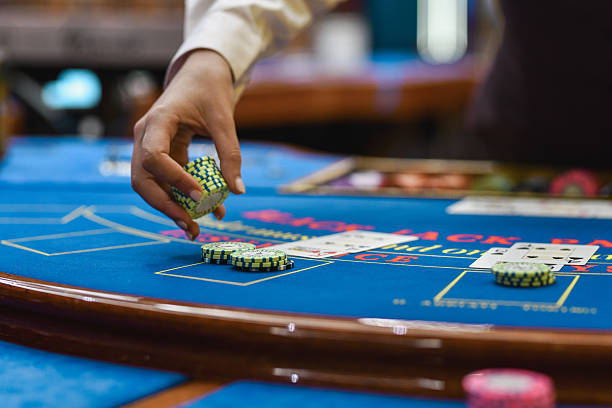
Albion Casino: Your Gateway to Modern Gaming
At Albion Casino, we recognize the rich history of gambling practices and aim to provide an online gaming experience that respects this evolution while offering cutting-edge technology. Our platform features an impressive collection of over 500 games, including a variety of slots and table games that appeal to both novices and seasoned players. The commitment to transparency in our bonus terms ensures that players are well-informed, fostering a responsible gaming environment.
Our tiered loyalty program rewards players for their continued patronage, highlighting our dedication to enhancing player satisfaction. With secure banking options and round-the-clock customer support, we prioritize the safety and convenience of our players. The immersive live casino experience we provide replicates the excitement of traditional gambling, allowing players to engage with live dealers and interact with fellow gamers.
As we move forward in this digital era, Albion Casino is committed to embracing the historical context of gambling while continually innovating to meet the evolving preferences of our players. We strive to offer an unparalleled gaming experience that celebrates the art and strategy of gambling through the ages, making us the ultimate destination for UK players seeking quality and excitement in online gaming.