Unlocking the Future The Rise of Forex Algorithmic Trading

Unlocking the Future: The Rise of Forex Algorithmic Trading
The forex market, known for its liquidity and volatility, has experienced a remarkable transformation in recent years due to advancements in technology. One of the most significant changes has been the rise of forex algorithmic trading Trading Asia, which employs complex mathematical models and algorithms to automate trading decisions. In this article, we will delve into the fundamentals of forex algorithmic trading, its advantages, common strategies, and the future landscape of this innovative trading method.
What is Forex Algorithmic Trading?
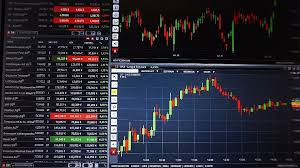
Forex algorithmic trading refers to the use of computer algorithms to execute trades in the foreign exchange market. These algorithms analyze market data and execute trades based on predefined criteria, such as price movement, trading volume, and technical indicators. By automating the trading process, algorithmic trading allows traders to capitalize on opportunities in real time and reduce the emotional biases that can often lead to poor trading decisions.
The Advantages of Algorithmic Trading
There are several advantages to employing algorithmic trading in forex:
- Speed: Algorithms can process vast amounts of data and execute trades within milliseconds, seizing market opportunities more quickly than human traders.
- Backtesting: Traders can backtest their algorithms using historical data to determine their effectiveness before applying them in live markets.
- Reduced Emotion: Emotion-driven decision-making can lead to irrational trading choices. Algorithmic trading eliminates this risk by automating trades according to predetermined strategies.
- Diversification: Algorithms can simultaneously monitor and trade multiple currency pairs, enabling greater diversification and risk management.
Common Strategies in Forex Algorithmic Trading
Algorithmic traders utilize various strategies to streamline their trading processes. Some of the most popular strategies include:
- Trend Following: This strategy involves identifying and capitalizing on prevailing market trends. Algorithms buy when prices are rising and sell when prices are falling, aiming to profit from trends.
- Mean Reversion: The mean reversion strategy assumes that prices will revert to their mean levels over time. Algorithms will buy undervalued currencies and sell overvalued ones based on historical price data.
- Arbitrage: Arbitrage involves profiting from price discrepancies between different markets or instruments. Algorithmic traders monitor various exchanges to capitalize on such inefficiencies quickly.
- Market Making: Market-making algorithms provide liquidity to the market by placing buy and sell orders and profiting from the spread between them.
Challenges in Algorithmic Trading
Despite its advantages, algorithmic trading is not without challenges:
- Technical Risks: Algo-trading systems are susceptible to failures due to technical glitches, outages, or bugs in the code, which can result in significant financial losses.
- Market Risk: Algorithms cannot anticipate sudden changes in market conditions triggered by geopolitical events, economic releases, or other unforeseen factors.
- Data Quality: The effectiveness of an algorithm relies heavily on the accuracy and quality of the data it uses. Poor quality data can lead to incorrect trading decisions.
The Role of Technology in Forex Algorithmic Trading
Modern algorithmic trading relies on advanced technologies, including machine learning and artificial intelligence. These tools allow traders to enhance their algorithms’ performance by identifying patterns and making predictions based on vast datasets. Additionally, cloud computing has made it easier to access and analyze large amounts of data, enabling more sophisticated trading strategies.
The Future of Forex Algorithmic Trading
As technology continues to evolve, the future of forex algorithmic trading looks promising. Innovations in artificial intelligence and data analytics will likely further improve the precision and efficiency of trading algorithms. Additionally, the increasing availability of real-time data and advancements in trading platforms will empower traders to develop more sophisticated strategies.
Conclusion
Forex algorithmic trading has revolutionized the way traders approach the foreign exchange market. By leveraging technology and automation, traders can execute trades with speed and precision, reduce emotional biases, and take advantage of market opportunities. As this field continues to advance, traders who embrace algorithmic approaches will likely gain a competitive edge in the dynamic world of forex trading. By understanding the benefits, strategies, and challenges associated with algorithmic trading, you can position yourself for success in an ever-changing market landscape.